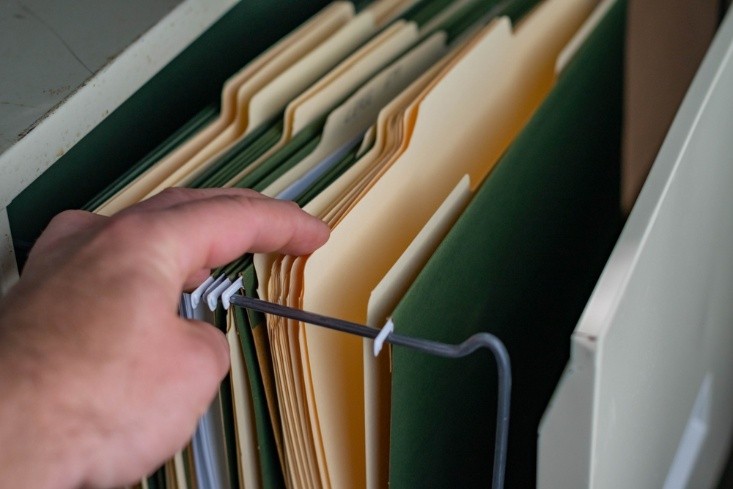
Paper still plays a major role across healthcare, legal, finance, and corporate offices. Digital tools help, yet physical records continue to hold legal and operational value. Choosing the right storage setup often feels confusing. Files pile up. Offices feel crowded. Security worries grow quietly. A strong document storage facility in Los Angeles helps remove that pressure, yet selection needs careful thought, not guesswork.
The right system does more than hold boxes. It protects data, supports daily operations, and reduces risk. The wrong one creates delays, stress, and compliance trouble. Let us walk through how businesses make the right choice with clarity and confidence.
Table of Contents
- Why document storage decisions shape business health
- Start with your record types and usage habits
- Space limits and office efficiency matter more than expected
- Security standards that should never feel optional
- Compliance needs tied to industry rules
- Access speed and retrieval methods
- Growth planning and long term scalability
- Local expertise and why proximity adds value
- Cost clarity and service transparency
- Making a confident final choice
Why Document Storage Choices Affect More Than Space
Storage decisions often begin due to space issues. Filing cabinets overflow. Boxes stack along walls. Yet space remains only one part of a larger picture. Records hold sensitive details such as medical data, client contracts, employee files, and financial reports. Poor storage puts all that at risk.
A reliable system supports daily work flow. Staff retrieve records quickly. Audits feel smoother. Privacy stays protected. Peace of mind grows. Storage should work quietly behind the scenes, never slowing teams down.
Start With Your Record Types and Usage Habits
Every business holds different records. Medical offices store patient files. Law firms keep case documents. Accounting firms retain tax records. Each category carries unique retention rules and access frequency.
Ask simple questions. How often do staff need physical files? Which records must stay longer? Which files reach disposal stage soon? Answers guide storage design.
A smart system separates active records from archived ones. Active files stay easy to reach. Archived files stay secure yet accessible when needed. Without clear separation, retrieval turns messy and time consuming.
Space Limits and Office Efficiency Matter More Than Expected
Office space costs money. Storage rooms rarely create revenue. Yet paper often steals valuable square footage.
External storage frees offices for productive use. Staff work better without clutter. Visitors see organized spaces. Operations feel lighter.
A professional document storage company in Los Angeles helps businesses reclaim space without losing access. Secure facilities handle volume better than crowded offices ever could.
Security Standards Should Never Feel Optional
Security stands at the heart of storage decisions. Locks and cameras alone do not guarantee protection. Strong security combines physical safeguards, controlled access, tracking systems, and trained staff.
Look for restricted entry, monitored facilities, documented chain of custody, and regular audits. Records deserve constant oversight, not occasional checks.
Security also protects reputation. A single breach damages trust built across years. Storage systems must reduce that risk quietly and consistently.
Compliance Needs Tied to Industry Rules
Different industries follow strict record handling rules. Healthcare follows privacy laws. Financial firms follow retention mandates. Legal firms face confidentiality obligations.
Storage partners must support compliance goals. That means documented processes, clear retention schedules, and secure destruction options.
A system lacking compliance awareness creates liability. Businesses need storage that aligns with regulation rather than working around it.
Access Speed and Retrieval Methods
Storage must balance security with convenience. Locked away files lose value if retrieval takes days. Access should feel smooth, predictable, and reliable.
Modern storage offers indexed tracking, request portals, and scheduled deliveries. Businesses choose retrieval frequency based on workflow needs.
The best systems adapt to real habits rather than forcing rigid rules. Flexibility builds trust and saves time.
Growth Planning and Long Term Scalability
Businesses grow. File volume grows too. Storage plans must allow expansion without disruption.
Short term solutions often collapse under long term demand. Moving records repeatedly increases risk and cost.
Facilities designed for scale handle growth quietly. Boxes add up without stress. Systems expand without breaking structure. Planning ahead saves future headaches.
Why Local Expertise Adds Real Value
Storage location matters more than many expect. Local facilities offer faster service, better responsiveness, and personal support.
A trusted document storage facility in Los Angeles understands regional business needs, compliance expectations, and delivery timelines. Proximity supports stronger service relationships.
Local teams respond quickly. Questions receive real answers. Service feels personal rather than distant.
Cost Clarity and Service Transparency
Storage costs should never feel confusing. Clear pricing helps planning. Hidden fees create frustration.
Look for partners offering simple pricing models. Know costs for storage, retrieval, delivery, and destruction upfront.
Value matters more than cheapest rates. Reliable service prevents downtime, loss, and compliance penalties that cost far more later.
Making the Final Choice With Confidence
Choosing storage does not require guesswork. Clear priorities guide smart decisions.
List needs. Review security. Check compliance support. Evaluate access speed. Confirm growth readiness. Trust partners offering transparency and experience.
A strong document storage company in Los Angeles becomes an extension of daily operations. Quiet support builds efficiency, safety, and confidence across teams.
Frequently Asked Questions
- How does poor storage affect employee productivity over time?
Poor storage leads to search delays, misplaced files, and repeated tasks. Staff waste hours looking for records rather than serving clients or completing work. Reliable storage restores focus and momentum. - What signs show a business has outgrown internal storage?
Crowded file rooms, stacked boxes, slow retrieval, and staff complaints signal strain. External storage often resolves these issues quickly. - How does secure storage support audit readiness?
Organized records simplify audits. Files remain indexed, tracked, and accessible. Auditors receive accurate documents without last minute panic. - Why does document destruction planning matter early?
Storage decisions should include future disposal. Secure destruction protects privacy and meets retention rules. Planning early prevents rushed decisions later. - How does professional storage support business reputation?
Clients trust businesses handling data responsibly. Secure storage reduces breach risk and builds confidence across clients, partners, and regulators.
Conclusion
We help businesses protect records without stress. Our systems support security, compliance, and daily efficiency. We build storage plans that grow with your needs. Let us handle your records so your team stays focused on work that matters. Contact Williams Data Management and experience storage done right.